The move has been completed. We are settling ourselves into a new place called “home.”
I prefer to think of myself as a person who enjoys change, not one that resists it. Flexible people bend and do not break, I remind myself. But, as I awoke this morning in a place 1,300 miles away from where I was born, grew up, went to school and lived for more than 50 years of my life, I had to admit how difficult change can be.
It took months to prepare for this particular change; our family’s move to a new home. The transition prompted a volatile mixture of emotions in me. The process often felt as if I was unraveling the threads that had held my former life together in order to reweave a new fabric and texture for the remainder of my life. It was understood that when we left the place we had called “home,” we would not return even for a visit. We would take ourselves to another place and we would call that place “home.”
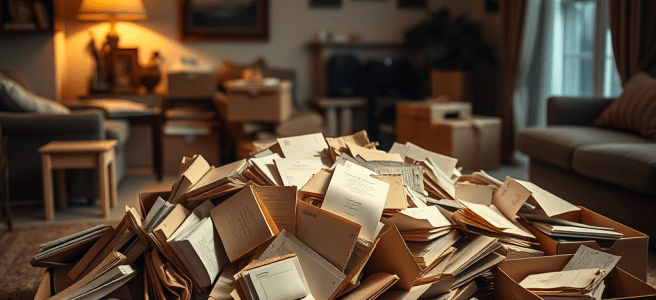
Early in the process, as part of planning for the move, I pulled the shoeboxes stuffed with letters out from the back of my closet shelves. I began opening correspondence that I had saved and reading it piece by piece. Mementoes of my past, carefully sorted and filed by date, stuffed each box. Preserved and saved for another time. Now the time had come.
Sifting through years of personal correspondence, I rediscovered letters written to me by friends and family members. There were also journals, which I had kept as a child. For years, my Aunt Ola had sent me a diary as a Christmas gift. I had faithfully filled the blank pages starting on January 1 of each year, recording my passage from childhood through adolescence.
Mixed among the diaries and personal letters were report cards from schoolteachers, many noting the excessive absent days due to illness and my eagerness to catch up with the rest of my grade once I returned to the classroom.
In addition to the correspondence, which I had saved, I came across the letters my parents had kept during their lifetimes. I had saved their keepsakes without reading them since their deaths a few years ago. Now it seemed like it was time to read these too. Here I found journals that my father had written almost 100 years earlier when he was a young man; letters my parents wrote to each other; and also letters written by me to my parents after I had moved away.
Classification tables copied in my father’s hand writing for identifying minerals, mingled oddly with his genealogical research. My mother, who kept so little, had managed to preserve lists of bird names, wildflowers and mushrooms that she had identified on her regular walks in the woods. My mother had also saved correspondence from the physician who had diagnosed my bleeding disorder. These letters from the doctor included advice and reassurance in response to her anxious questions.
Why had I and others in my family been driven to write so much? And, why did we keep so much of what was written to us? I wonder. What were we trying to document? What had we intended with these archives from our lives? Had we hoped to pass our experiences on to others? Or was the purpose simply to aid our own memories at a later time? For myself, I wondered if my intention was some attempt at immortality.
As I sifted through and reviewed the pages of writing it seemed almost as if it was new information. Time had changed my attitudes and my perceptions of what was true. My memories had been altered and were different than what my journals had documented in a previous time.
For whatever reason, I made the decision to let the past go. One piece at a time, the destination for these written words was the paper shredder. Grinding out thin strips of paper to be recycled and reused, I watched in amazement at the impermanence of life.

 My Turn