

After reading Citizen: An American Lyric by Claudia Rankine
As the sun set outside the kitchen window, Mom would do the dishes. She would rub the Ivory soap bar onto the sponge and scrub each plate, fork and knife, pot and pan. Then she would gently place the item in the drainer. Unless I had to stay in bed with an ice pack on one of my bruises, I picked each up and dried it. It was a special time of the day when I could ask about things that were puzzling to me.
The year I was seven, while I was wiping a plate with the towel, I asked “Why are some people not riding the buses in Montgomery, Alabama?”
Mom told me that after my father enlisted in the Navy he began basic training in Richmond, Virginia. My parents had only been married a few years, so Mom packed up and moved to be near him. Richmond was very different from the Nova Scotia, Canada she had grown up in, or the Massachusetts she moved to when she married Dad.
“In Virginia,” she said, “a lot of people had dark skin and they were called ‘colored’ then. Now they want to be called black. I took the bus to my job every morning. If I was the only one at the bus stop, the bus would stop for me and open the door. If colored folks were there first, the bus would not stop. It would breeze on by like the driver didn’t see them standing there. Those people needed to get to work just like me. I couldn’t believe it. How could the driver not see these people standing and waiting for a ride? But no one else seemed surprised. The bus driver would signal me to get on first and then a few of the other folks too. But sometimes the driver would slam the door shut before everyone else had a chance to get on board.” She paused, scowling, “I think they just want to be treated fairly.”
I already knew what it felt like to be left out. The Elementary School Principal had tried to ban me from going to her school because of my bleeding disorder. As I thought this over, I said, “Mom, I don’t think I know any people who are black.”
Then she started her second story of that night. “You know Mrs. Walker the librarian.”
I liked Mrs. Walker better than my first grade teacher and I nodded enthusiastically. I had never paid attention to her skin color. I knew Mom liked her too because they would talk while I picked out books to take home.
Mom went on, “Did you know she has a Masters degree in education but they would not hire her as a teacher here? That’s why she is a librarian. So even though we live in Massachusetts, black people don’t get treated the same as white.”
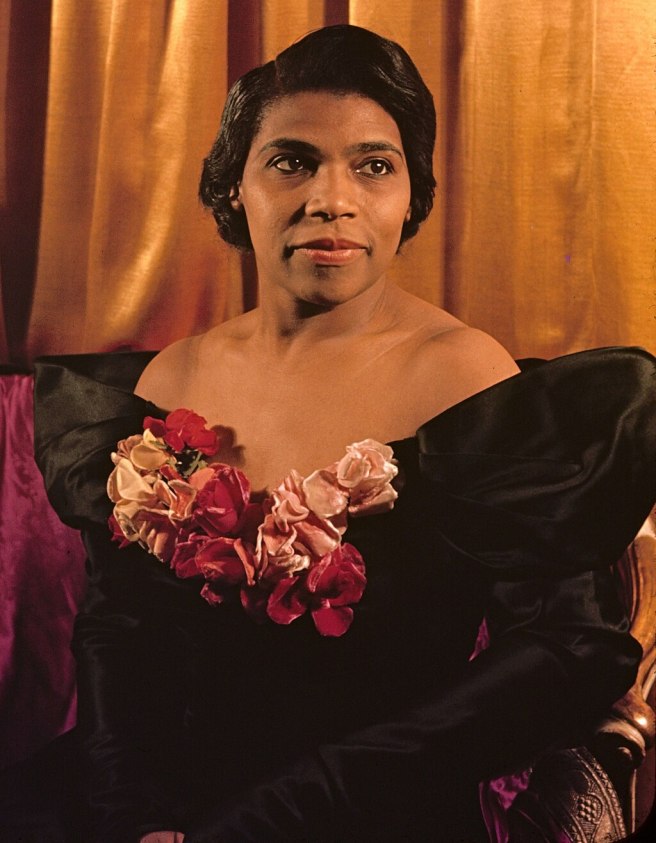
While I was still processing all of this, Mom began her third story. “Before you were born I worked as a clerk in the ‘Better Dresses’ department on the third floor of Forbes and Wallace. One day the world famous singer, Marian Anderson was to perform in the city auditorium. She had sung on the National Mall in Washington, D.C. Thousands of people stood outside to hear her sing and it was broadcast on the radio. When that famous lady came in wanting to buy a dress, the store manager told her she would have to come up to the department I worked in by the service elevator. It was then that I realized that it didn’t matter how talented or famous you were if you had dark skin.” Mom didn’t get angry often but I could hear anger in her voice then.
By the time I reached adolescence, the Civil Rights protests had reached our city in Western Massachusetts. Whenever my injured ankles would allow me to climb the stairs, my parents went to church and I attended Sunday School. One morning our teacher brought a guest, a friend who was a lawyer and a young black man. His name was Oscar Bright. His lesson was about how head cheese is made. Then with a grin, he said, “Would you like to eat some?”
There was a chorus of “Yuck, no thanks,” from the teenagers. Then he talked about prejudice and how you can miss out on somethings that are really good if you have a closed mind.
Not long after that day, the morning newspaper headline read “Oscar Bright Arrested at City Hall Protest on Drug Charge.” My best friend, Cheryl joked, “I guess Oscar Bright wasn’t very bright.” I didn’t laugh. I believed that the man I had met would not be so stupid as to carry drugs in his pocket when he knew he might be arrested by police. I said so, feeling angry, like I remembered my mother being when she had told me her stories.

 My Turn